

ASLE is pleased to announce the winners of our 2026 Subvention and Translation Grants!
This year we were able to fund four subvention grants and one translation grant, each for $1000. Congratulations to our winners!
Subvention Grants
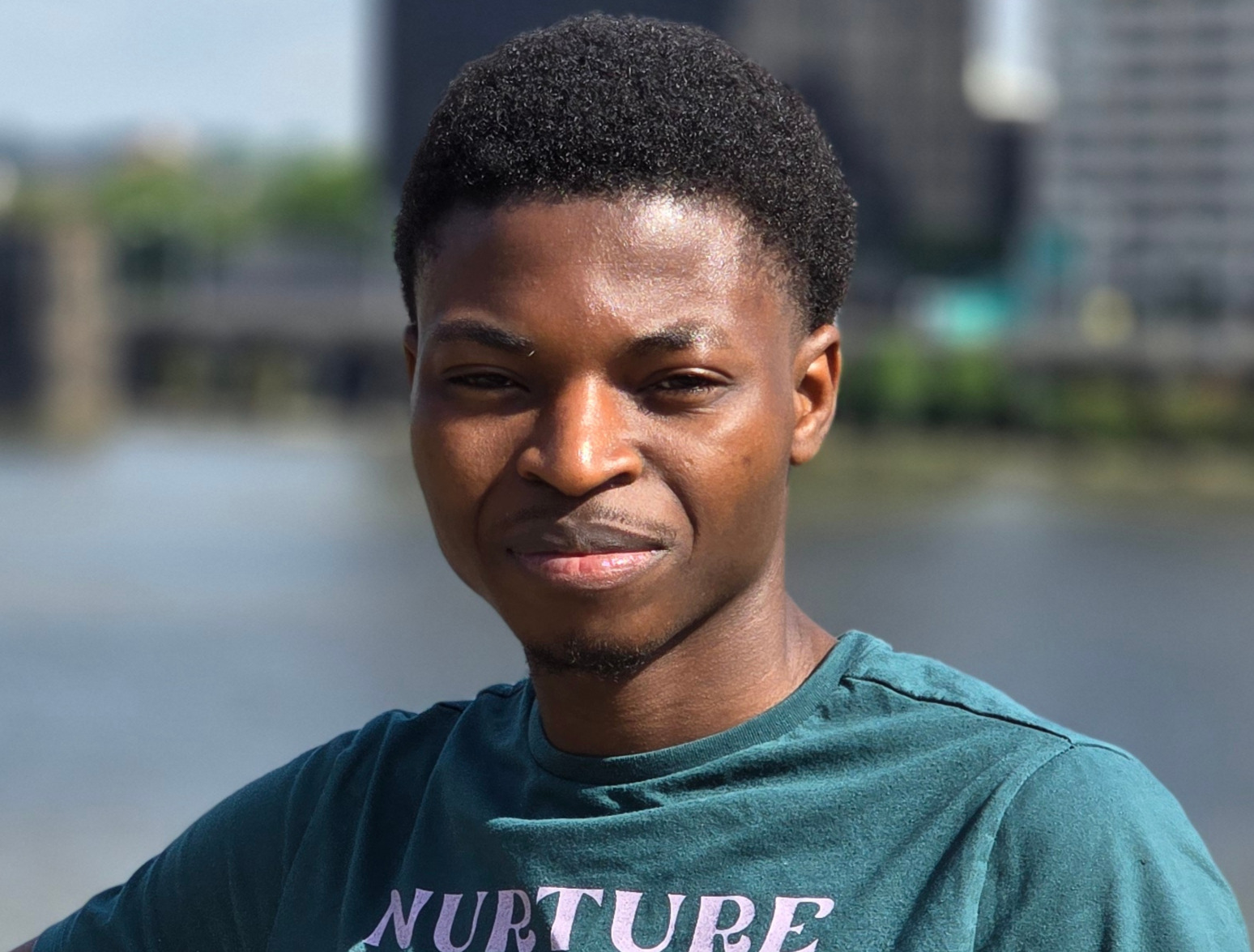
Marvellous Taiwo
The Virtual Ken Saro-Wiwa Project
The Virtual Ken Saro-Wiwa Project is a digital humanities project that uses digital technology to recreate the censored speech of renowned environmental activist Ken Saro-Wiwa at the sentencing of Saro-Wiwa and eight other indigenous activists, known as the Ogoni Nine. The project is a restoration initiative that reminds us of the power of the pen and ideas, the ongoing relevance of the speech within and beyond environmental justice movements in the Niger Delta, and the immense role of activists in our society. Intended as a pedagogical resource, it will offer students an engaging opportunity to learn from and listen to a recreation of the trial speech, gaining a sense of what witnessing the sham trial might be like. It will also serve as an archive to showcase how aesthetic works confront and document the scale of environmental degradation.
Marvellous Taiwo is a PhD Student in the English Department at Northwestern University. His research focuses on environmental humanities, global anglophone literature, diaspora, and migration. He enjoys listening to music and exploring the outdoors in his spare time.
I Am the River
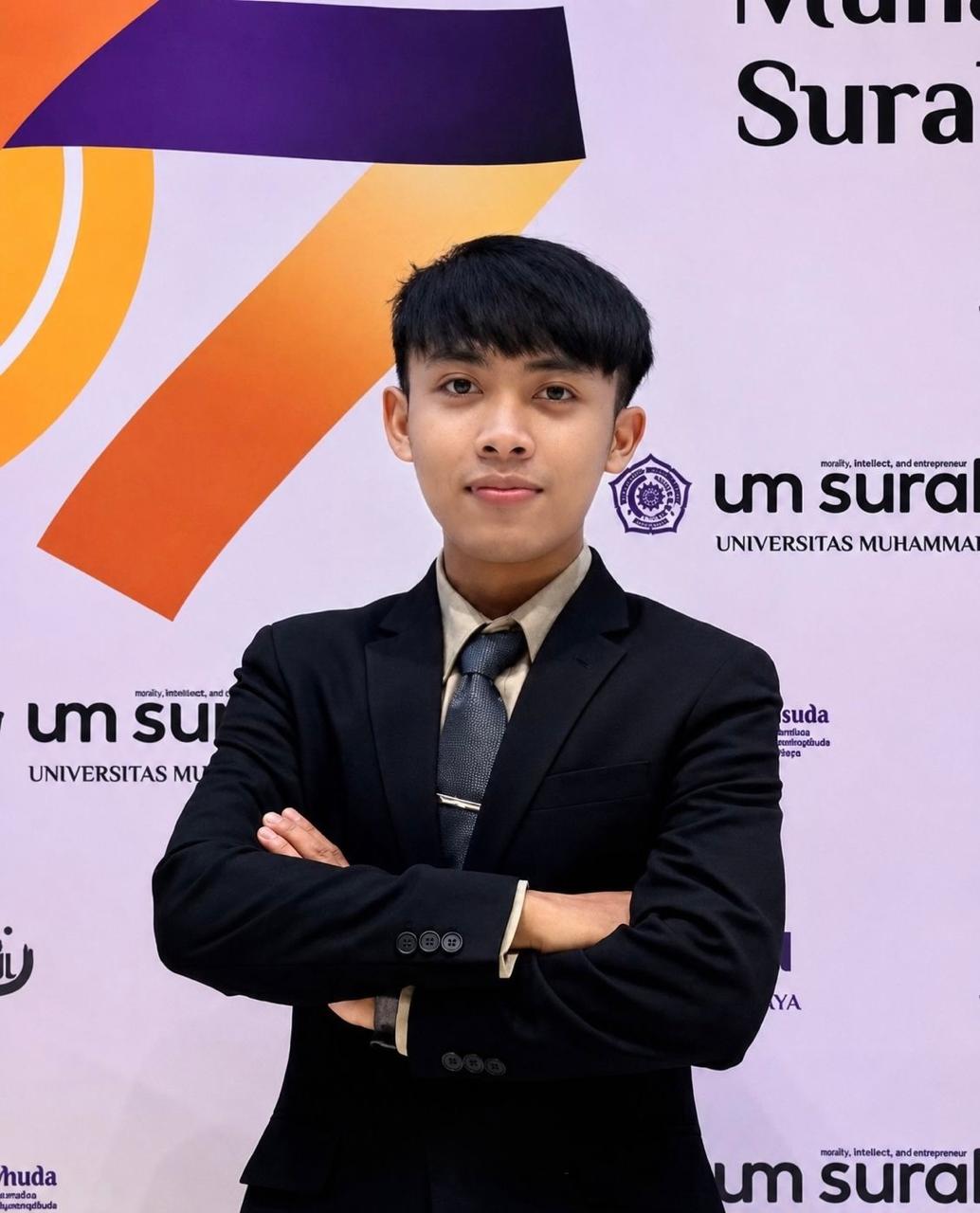
Jepri Ali Saiful
“I Am the River”: Fostering Urban Youth-River Entanglements through Digital Multilingual River Narratives is an environmental humanities and youth-engagement project addressing the growing disconnection between urban young people and river ecosystems. Focusing on the Sutorejo River in Surabaya, Indonesia, the project engages university students at Muhammadiyah University of Surabaya, Indonesia, living near the river in a process of observation, eco-writing, ecocritical discussion, and digital environmental advocacy. The students will observe and photograph the river’s ecological conditions, documenting pollution and human–river interactions. Through an eco-writing workshop, they will imaginatively assume the perspective of the river and articulate what it sees, smells, touches, feels, and wishes to communicate. These narratives will cultivate ecological empathy and be developed into an English-translated memoir anthology, tentatively titled The River within Us. Building on their written reflections, participants will engage in ecocritical discussions and create short multilingual environmental advocacy videos in Javanese, Indonesian, and English. The videos will communicate the river’s ecological struggles, participants’ experiences of “being” the river, and practical actions for river preservation. Dissemination through YouTube, TikTok, Instagram, and WhatsApp will extend the project’s reach to local, national, and international audiences. The project ultimately aims to strengthen ecological empathy, environmental justice awareness, ecocritical perspectives, and youth environmental advocacy while promoting multilingual communication. Its impact will be examined through surveys, interviews, and reflective discussions focusing on participants’ ecological worldviews and sense of human–river interconnectedness.
Jepri Ali Saiful is an Assistant Professor in Eco-ELT (Ecological English Language Teaching) and Empirical Ecocriticism at the Department of English Education, Faculty of Education, Communication, and Science, Muhammadiyah University of Surabaya, Indonesia. His research focuses on Eco-ELT, examining how language education (policy, curriculum, instructional approaches and practices, and other educational elements) contributes to addressing environmental crises and to the development of language proficiency among language learners. His research also centers on ecolinguistics and empirical ecocriticism, examining how environmental narratives developed within ecocriticism and the environmental humanities more generally shape people’s environmental awareness, attitudes, knowledge, values, worldviews, skills, and behaviors. His works have appeared in reputable journals such as Humanities and Social Sciences Communications (under Nature Journal), TESOL Journal, ELT Journal, and Cambridge Educational Research e-Journal (CERJ), among others. His works also appear in edited volumes published by Springer, Routledge, Bloomsbury, Edinburgh University Press, and others.
Charged!
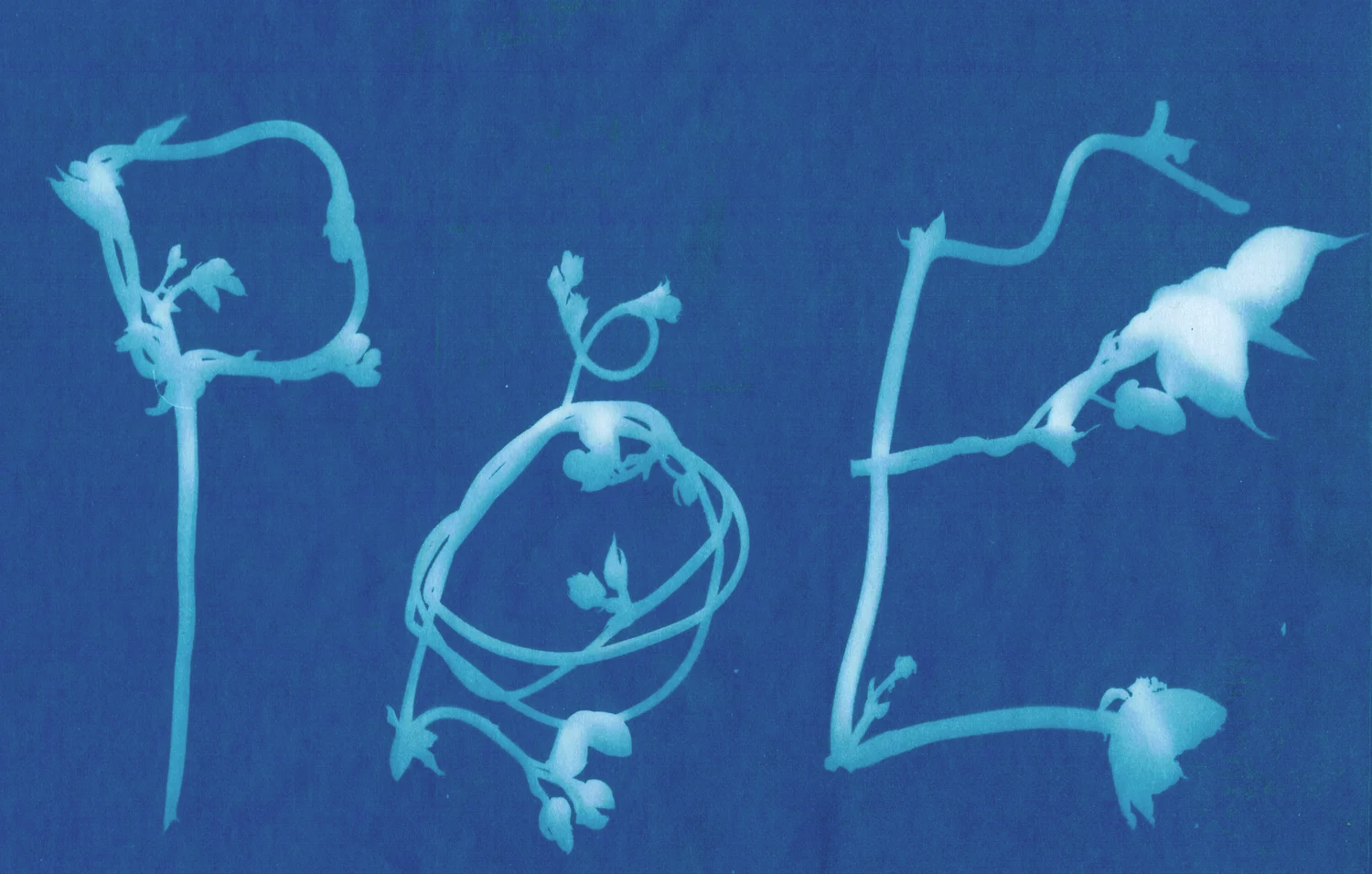 Charged! is a research-based narrative comic illustrating the history of electrification and its relationship to the prison, with an emphasis on the electric chair, energy production, and resource extraction.
Products of Our Environment is a collective of scholars, writers, and artists with a range of relationships to incarceration—through research, organizing, or lived experience—interested in the intersection of prison abolition and environmental justice. This project will be helmed by Isabel Lane, Preceptor in the Harvard College Writing Program, and Jane Robbins Mize, Assistant Professor of Liberal Arts at the School of the Art Institute of Chicago.
The Hollow Tree Creative Writing Workshop
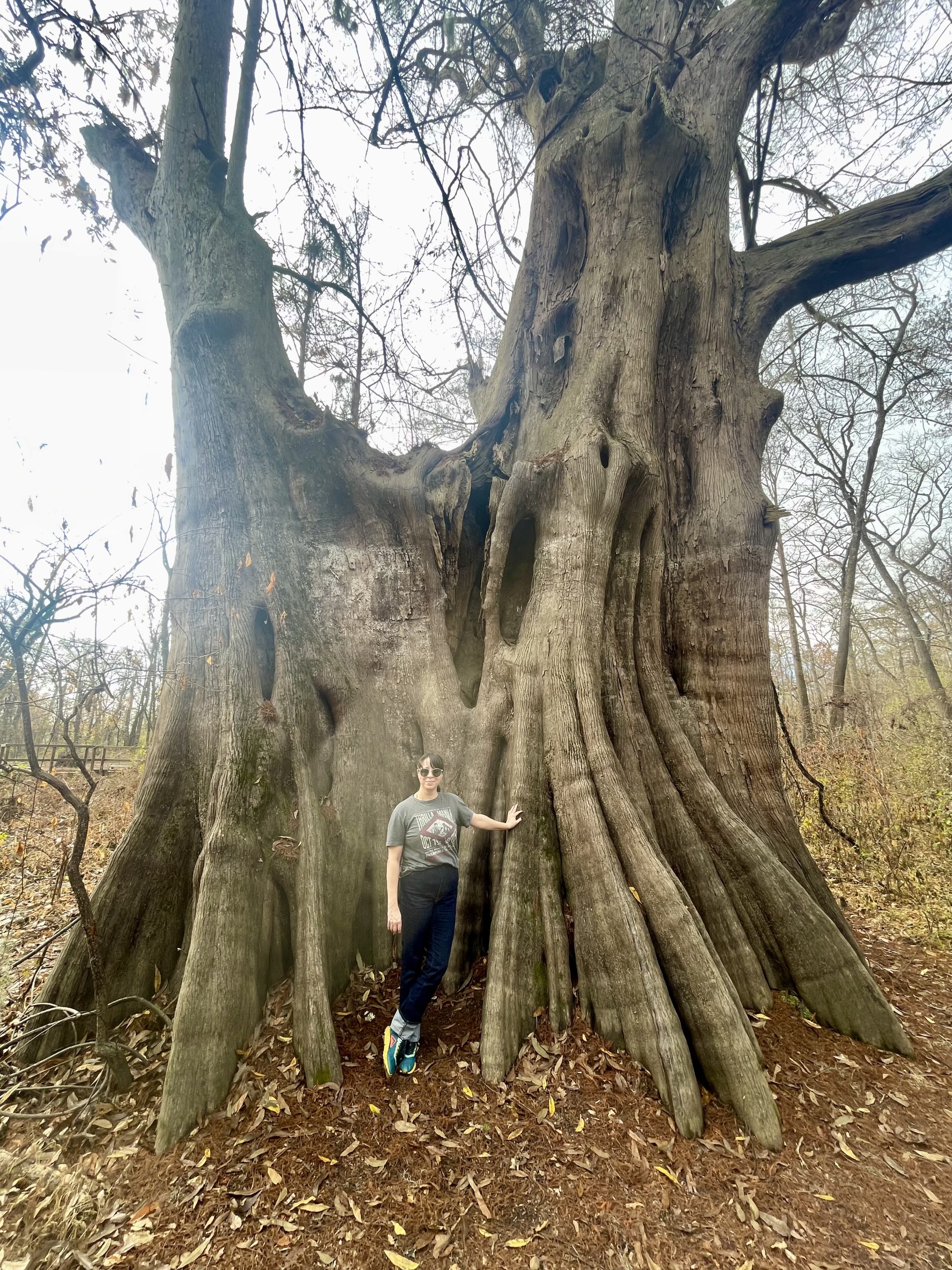 Environmental humanities scholar Dr. Tori Bush and documentary filmmaker Kira Akerman have created The Hollow Tree Creative Writing Workshop, an educational accompaniment for viewers of the feature documentary. Intended for high school students, undergraduates, and adult learners who have viewed the film Hollow Tree, the creative writing workshop takes the documentary classroom that is at the heart of Hollow Tree and extends it to audiences at large. Its aim is to develop viewers’ imagination for intergenerational thinking as modeled by the three protagonists in the film and apply it to their understanding of environmental justice. To learn more about the documentary, visit the film’s website and view the trailer. If you would like to screen the film in your classroom, you can contact us at info@hollowtreefilm.com and download the workshop materials here.
Tori Bush, Ph.D., is a writer, educator, and environmental humanities scholar whose research explores how narrative forms shape environmental and political conditions. She is the Inaugural Postdoctoral Fellow at Tulane Global Humanities Center following positions as affiliated faculty at The New School and as a Mellon Foundation Postdoctoral Fellow in Climate Humanities and Social Justice at the Climate Museum. Her scholarship appears in Interdisciplinary Studies in Literature and Environment, Mississippi Quarterly, Forgotten Spaces: Ecocriticism, Social Justice, and the U.S. South, and The Routledge Companion to Literature and the Environment, among others. She co‑edited The Gulf South: An Anthology of Environmental Writing and leads public humanities projects including the New Orleans Water Democracy Community Archive and Hollow Tree Creative Writing Workshop.
Translation Grant
Radical Sense: A Reader for the Revolution
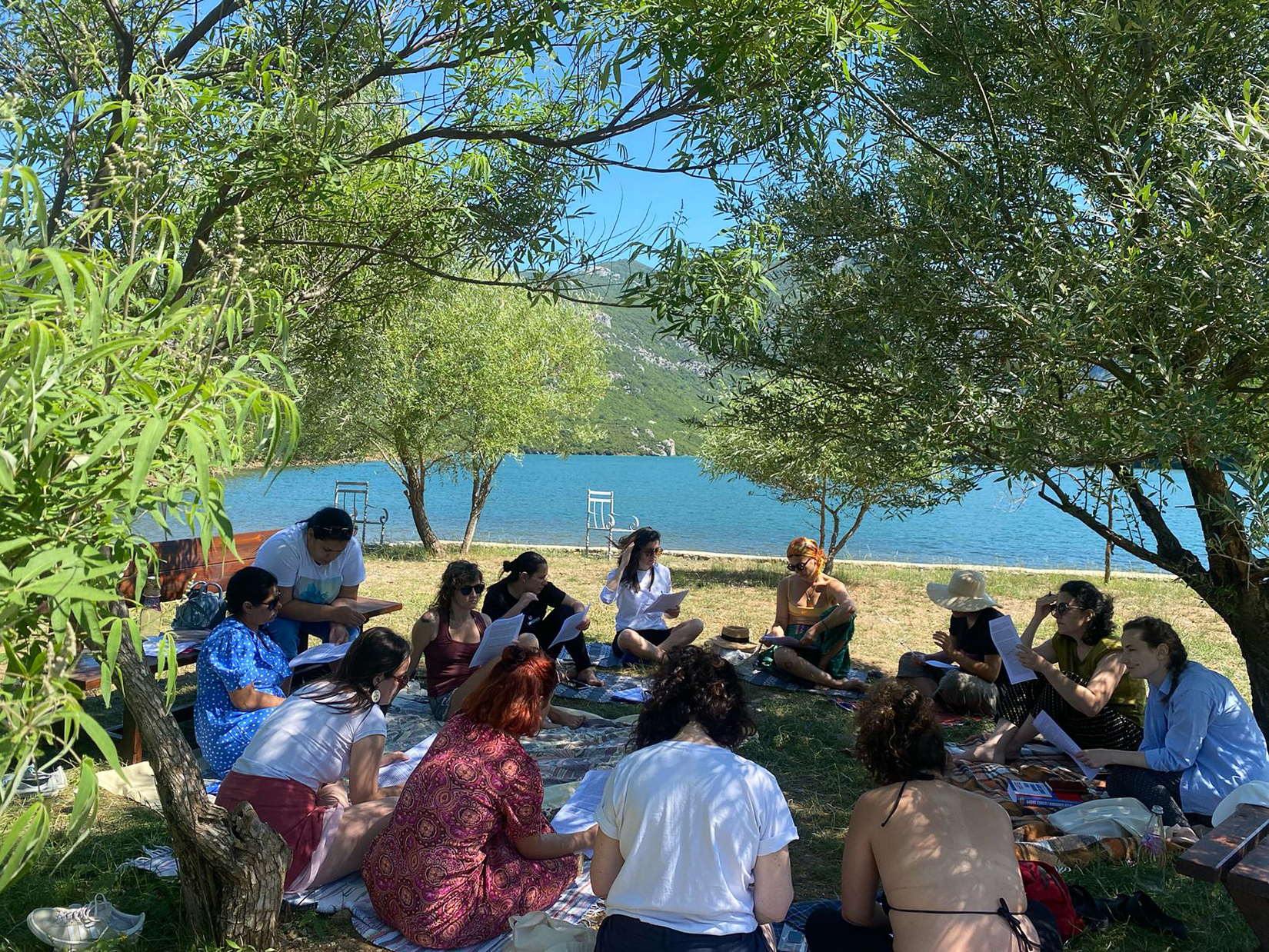 Radical Sense is translating and publishing the first-ever collection of critical eco-feminist texts in Albanian—a reader for a growing environmental movement and a space for expanding eco-feminist thought in the Albanian language. Across Albania and among Albanian diaspora communities, hundreds of thousands of people have taken to the streets in protest for the protection of their land, fighting against corporate and governmental greed and development, which have used precious natural habitats and rare national parkland as their collateral. In response, Albanians are having a powerful moment of environmental national awakening, making questions of land, ecology, power, and collective responsibility increasingly urgent. It is essential, now more than ever, to produce translations of ecocriticism into Albanian—a reader for the revolution.
Radical Sense responds to this need by bringing foundational critical texts, read collectively, into Albanian for the first time, creating a body of knowledge that can accompany, inform, and deepen contemporary environmental struggles. The project of translation is not only a collective work, but a space to enrich and broaden feminist discourse and thinking in the Albanian language. The working process reflects our desire to think through language, politics, and our potential to create collectively. Radical Sense is therefore both a publication and a collective practice: an attempt to build a critical vocabulary for ecological struggle, feminist thought, and political imagination in Albanian. The Radical Sense readers are available online at https://28november.al/index.html
Radical Sense is a radical feminist reading group convened in Tirana, Albania. It is collectively run by Silvi Naçi, Doruntina Vinca, and Leah Whitman-Salkin. Founded in 2018, Radical Sense is a space of reading, listening, and thinking together, as well as a space for creating bonds of community and solidarity. Together we edit, compile, print, and bind unique readers—tracing and rediscovering feminist, radical, queer, trans, Black, Indigenous, and other marginalized voices, exploring pathways that can allow us to reimagine and practice the futures we want to see. We have produced 22 volumes (and counting!). Translation is at the core of Radical Sense, and we have produced and distributed two volumes of collective translations. During the pandemic we moved to Zoom, making it possible for the Albanian diaspora and wider communities, strangers, family, and friends to join.


