

This episode was recorded Friday, November 15, 2024
Co-hosts: Laura Barbas-Rhoden and Amanda M. Smith
FEATURED GUESTS/WORKS:
 Catherine Diamond, Kinnari Ecological Theatre Project
The Kinnari Ecological Theatre Project (KETEP) in Southeast Asia creates new plays from local traditional and modern sources to deal with current environmental problems. It works with communities, student groups, and professional performers to produce an entertaining show in the local language that addresses an issue of concern to the audience–overfishing, deforestation, plastic waste, and wildlife poaching.
Catherine Diamond is the playwright/director of KETEP. A professor of theatre and environmental literature at Soochow University, Taiwan, she wrote Communities of Imagination: Contemporary Southeast Asian Theatres.
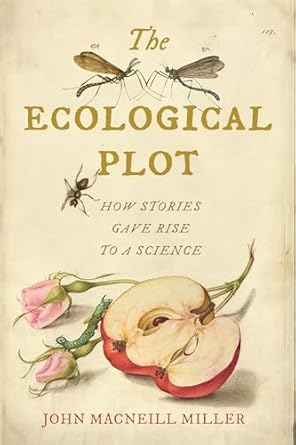 John MacNeill Miller, The Ecological Plot: How Stories Gave Rise to a Science
Ecology, economics, and realist fiction seem like opposed modes of thought today, but they all rely on a form of narrative storytelling Miller calls “the ecological plot.” This book charts the evolution of ecological plots over the last two centuries to underscore what unites these fields and to urge their reconciliation. Miller’s book reveals why our most sophisticated efforts to explain humanity’s relationship to nature have been segregated into different disciplines and makes an argument for the importance of bringing these separate ways of understanding the world back together as a crucial step toward solving the environmental, economic, and ethical problems of the present.
John MacNeill Miller is Associate Professor of English at Allegheny College, where he teaches courses at the intersection of literature, science, and the environmental humanities.
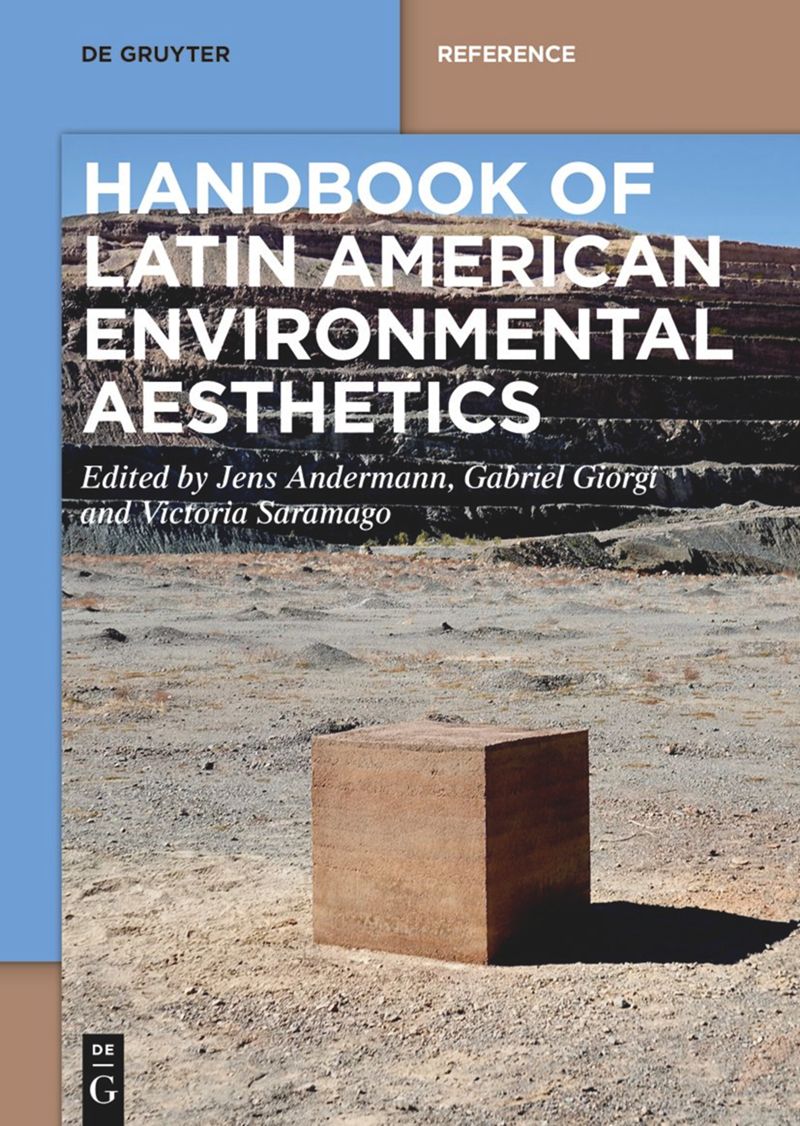 Victoria Saramago (with Jens Andermann and Gabriel Giorgi), Handbook of Latin American Environmental Aesthetics
The Handbook of Latin American Environmental Aesthetics offers a comprehensive overview of Latin American aesthetic and conceptual production addressing the more-than-human environment at the intersection between art, activism, and critique. This book was co-edited by Jens Andermann, Gabriel Giorgi and Victoria Saramago, and ideally the three co-editors would be present at the event.
Victoria Saramago is associate professor of Hispanic and Luso-Brazilian Studies at the University of Chicago. Jens Andermann is professor of Spanish and Portuguese at New York University. Gabriel Giorgi is professor of Spanish and Portuguese at New York University and researcher at CONICET (Argentina).
 Malcolm Sen, A History of Irish Literature and the Environment
From Gaelic annals and medieval poetry to contemporary Irish literature, A History of Irish Literature and the Environment examines the connections between the Irish environment and Irish literary culture. Themes such as Ireland’s island ecology, the ecological history of colonial-era plantation and deforestation, the Great Famine, cultural attitudes towards animals and towards the land, the postcolonial politics of food and energy generation, and the Covid-19 pandemic – this book shows how these factors determine not only a history of the Irish environment but also provide fresh perspectives from which to understand and analyze Irish literature. An international team of contributors provides a comprehensive analysis of Irish literature to show how the literary has always been deeply engaged with environmental questions in Ireland, a crucial new perspective in an age of climate crisis. A History of Irish Literature and the Environment reveals the socio-cultural, racial, and gendered aspects embedded in questions of the Irish environment.
Malcolm Sen is Associate Professor in the Department of English at UMass Amherst. He leads the university’s Environmental Humanities Initiative and is the co-chair of the Sustainability Strategy Working Group. His research focuses on questions of sovereignty, migration, and race as they emerge in climate change discourse


